Creating a home workspace that is both relaxing and productive can significantly improve your work-from-home experience. Whether you’re working full-time remotely or just need a dedicated spot for occasional tasks, a comfortable and efficient setup helps you stay focused and reduce stress. In this post, we’ll explore practical tips for designing a workspace that promotes well-being and productivity.
Why a Relaxing Workspace Matters
Having a cluttered or uncomfortable workspace can make it harder to concentrate, lead to physical discomfort, and increase stress levels. On the other hand, a thoughtfully arranged environment creates a positive atmosphere that encourages motivation and creativity. By balancing comfort and functionality, your workspace becomes a place where you want to spend time.
Choosing the Right Location
Quiet and Well-Lit Space
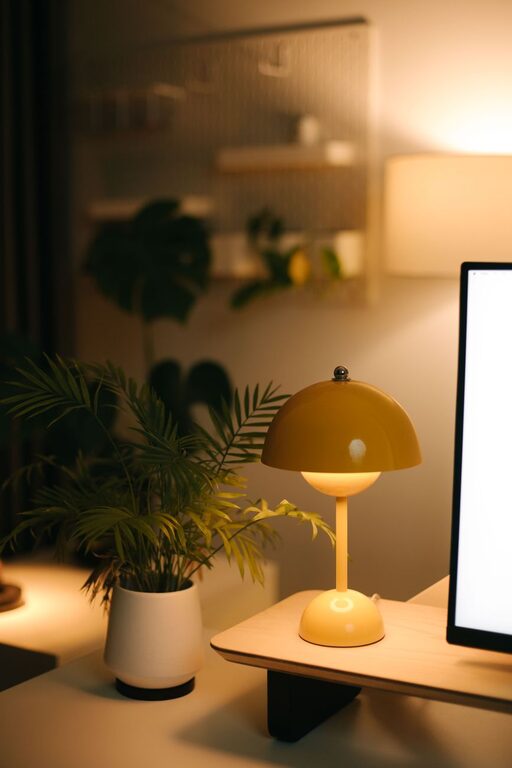
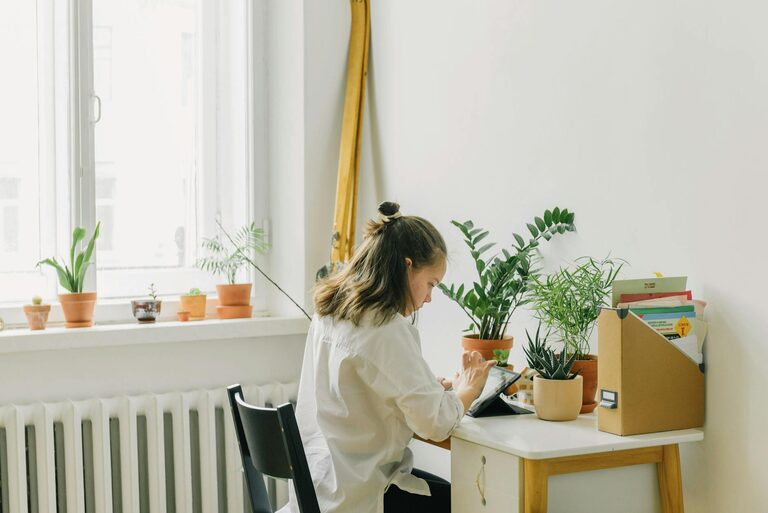
Select a spot in your home that is quiet and receives plenty of natural light. Natural light improves mood and reduces eye strain. If natural light is limited, invest in adjustable desk lamps that mimic daylight.
Away From Distractions
Try to place your workspace away from high-traffic areas, television, or noisy household equipment. A dedicated, distraction-free zone helps maintain focus.
Ergonomic Furniture for Comfort and Health
Adjustable Chair
An ergonomic office chair with adjustable height, backrest, and armrests supports good posture and reduces back and neck pain. If a dedicated office chair isn’t an option, add cushions or lumbar support to your current chair.
Proper Desk Height
Choose a desk or table where your forearms can rest comfortably parallel to the floor when typing. The right height prevents strain in your wrists and shoulders.
Monitor Placement
If you use a computer, position the monitor at eye level, about an arm’s length away. This setup helps avoid neck and eye fatigue.
Organize Your Workspace Efficiently
Declutter Regularly
Keep only the essentials on your desk to avoid distraction. Use drawers and organizers to store supplies neatly.
Use Storage Solutions
Bookshelves, filing cabinets, or stackable trays can help keep papers and tools organized and easily accessible.
Cable Management
Tidy cables using clips or sleeves to prevent tangling and keep the area looking clean.
Personalize Without Overcrowding
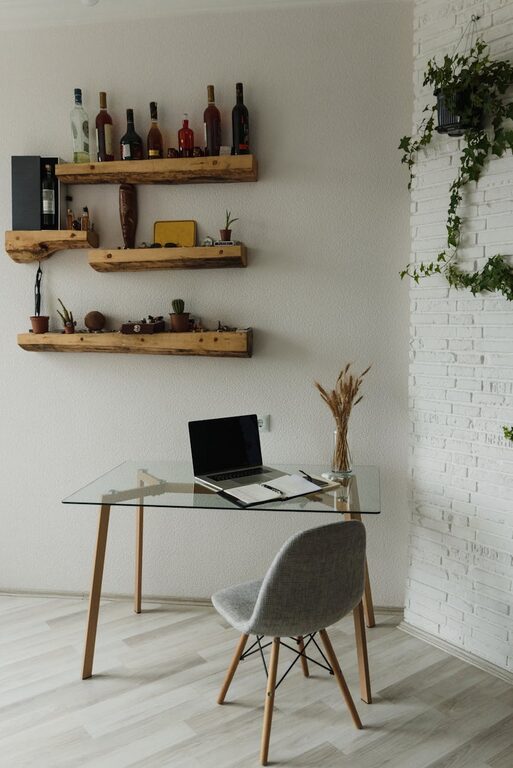
Add simple personal touches like a plant, a favorite photo, or artwork that inspires you. Plants not only beautify the space but can improve air quality and reduce stress. Avoid overcrowding so the space remains open and relaxing.
Control Lighting and Temperature
Adjustable Lighting
Use blinds or curtains to control sunlight intensity during the day. Consider different light sources—ambient, task, and accent—to adapt to various activities.
Comfortable Temperature
Maintain a comfortable room temperature, ideally between 20–22°C (68–72°F). Use fans or heaters if necessary to adjust the climate.
Incorporate Movement and Breaks
Standing Desk Options
If possible, use a sit-stand desk or alternate between sitting and standing to encourage movement and reduce fatigue.
Regular Breaks
Schedule short breaks to stretch, walk, or do breathing exercises. These small pauses refresh your mind and help maintain productivity.
Use Calming Colors and Textures
Colors influence mood and concentration. Soft, neutral, or pastel shades like light blue, green, beige, or grey promote calmness and focus. Incorporate comfortable textures through cushions, rugs, or curtains to create a cozy atmosphere.
Limit Noise with Sound Solutions
If noise is unavoidable, try noise-cancelling headphones or white noise machines. Soothing background sounds such as gentle rain or instrumental music can also improve concentration.
Stay Hydrated and Snack Smart
Keep a water bottle nearby to stay hydrated throughout the day. Healthy snacks such as nuts, fruits, or yogurt provide sustained energy without sugar crashes.
Final Thoughts
Designing a relaxing home workspace is about creating a balance between comfort, efficiency, and personal style. Focus on ergonomics, organization, lighting, and calming elements to support your well-being and work output. With a well-planned workspace, you can turn your home into a productive and inviting environment where your best work happens.
By implementing these tips, you’ll enjoy a workspace that not only feels good but also helps you stay motivated and focused every day.
About the Author