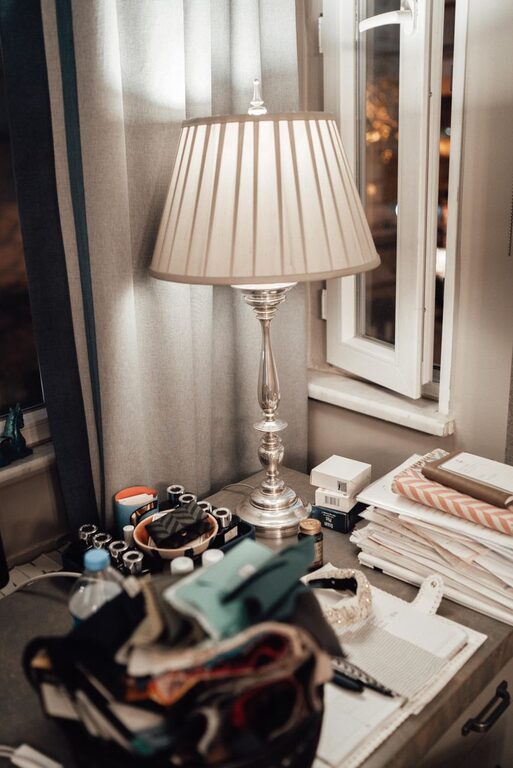
Creating a cozy and inviting home office is more important than ever, as many people spend a significant portion of their day working from home. A thoughtfully designed workspace can boost productivity, enhance creativity, and improve overall well-being. Whether you have a small corner or a dedicated room, these tips will help you make the most of your home office space and turn it into a welcoming environment.
Choose the Right Location
Selecting the best location for your home office is the first step towards creating a cozy space. Consider the following:
– Natural light: Position your desk near a window to enjoy natural light, which can improve mood and focus.
– Quiet area: Find a spot away from household noise to minimize distractions.
– Space availability: Make sure there is enough room for your desk, chair, and any additional storage.
If you have limited space, even a small nook can be transformed with the right elements.
Invest in Comfortable Furniture
Comfort is key when spending hours working at home. Choose furniture that supports your body and helps maintain good posture.
– Ergonomic chair: Look for adjustable chairs with lumbar support to reduce strain on your back.
– Desk height: Ensure your desk is at a comfortable height to avoid shoulder or neck pain.
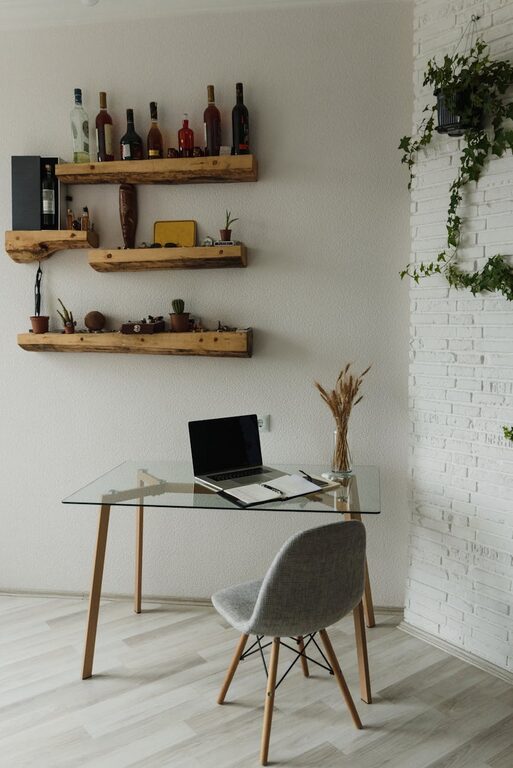
– Storage solutions: Use shelves, drawers, or cabinets to keep your workspace tidy and organized.
Comfortable furniture not only promotes health but also encourages longer periods of concentrated work.
Add Personal Touches
Make your home office feel inviting by personalizing it with items that inspire and motivate you.
– Artwork and photos: Display pictures that bring you joy or art that sparks creativity.
– Plants: Incorporate greenery to add life to the space and improve air quality.
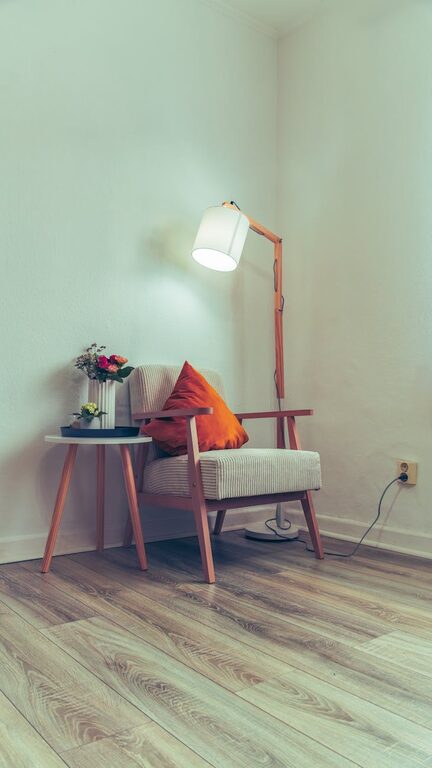
– Decorative accents: Use cushions, rugs, or candles that reflect your style and add warmth.
Personal touches make the space uniquely yours and create a positive atmosphere.
Optimize Lighting
Proper lighting is essential for both comfort and productivity. Poor lighting can cause eye strain and headaches.
– Layered lighting: Combine natural light with task and ambient lighting.
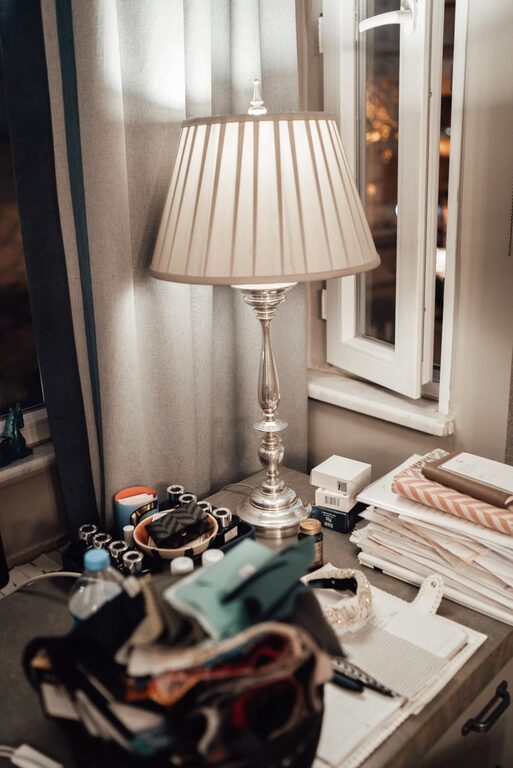
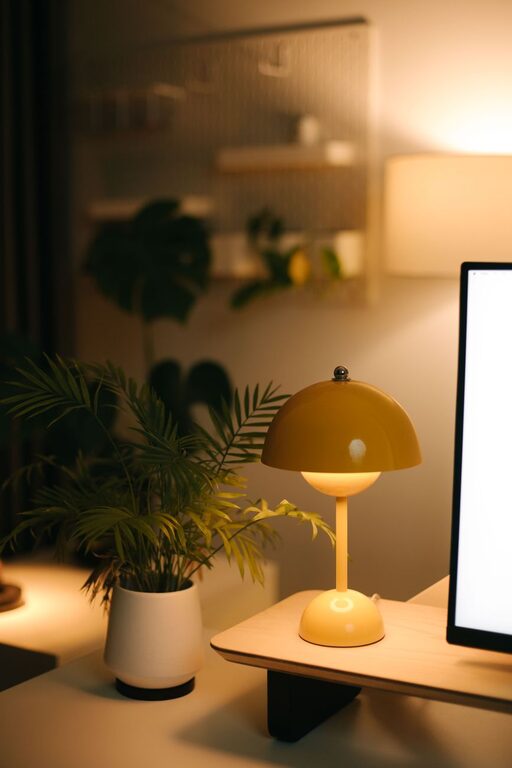
– Desk lamps: Use adjustable desk lamps for focused work.
– Warm light bulbs: Choose bulbs that emit warm, soft light to create a cozy atmosphere rather than harsh, bright lighting.
Good lighting supports your workflow and mood throughout the day.
Keep It Organized
A clutter-free workspace promotes clarity and reduces stress.
– Regular cleaning: Set aside time weekly to tidy up your office.
– Organizational tools: Utilize trays, organizers, and cable management systems.
– Minimalism: Keep only essential items on your desk to maintain a clean look.
An organized space helps you find what you need quickly and keeps distractions at bay.
Incorporate Technology Thoughtfully
Technology is vital for a home office, but it can also cause clutter and stress if unmanaged.
– Wireless devices: Minimize cables with wireless keyboards, mice, and headphones.
– Charging stations: Have a designated spot for charging devices.
– Monitor placement: Position screens at eye level to avoid neck strain.
Intelligent tech setup contributes to a seamless and comfortable work experience.
Use Soothing Colors
Colors influence how you feel and perform. Choose hues that create calm and focus.
– Soft neutrals: Shades like beige, soft grey, or pastels work well to create a relaxing environment.
– Accent colors: Add subtle pops of color through accessories such as cushions or artwork.
– Consistency: Keep a cohesive color palette to avoid visual chaos.
A well-thought-out color scheme promotes tranquility and concentration.
Create Zones for Different Activities
If your space allows, define zones for various tasks to organize your day better.
– Work zone: Dedicated area for computer work and meetings.
– Creative zone: Space for brainstorming, sketching, or reading.
– Relaxation zone: A comfortable chair or corner for short breaks.
Transitioning between zones can refresh your mind and increase efficiency.
Add Soft Textures
Incorporating soft materials adds warmth and comfort physically and visually.
– Rugs: Place a soft rug under your desk or chair.
– Throw blankets and cushions: Use them to soften the look and feel.
– Curtains: Choose fabrics that diffuse light gently while adding texture.
Soft textures make the room feel inviting and reduce the clinical feel sometimes associated with workspaces.
Manage Noise Levels
Noise can be distracting, so consider ways to keep your home office peaceful.
– Soundproofing: Use rugs, curtains, or acoustic panels to absorb sound.
– White noise machines: These can help mask distractions from outside.
– Headphones: Invest in noise-cancelling headphones for focused work.
A quiet environment supports deep work and reduces stress.
—
By following these tips, you can create a home office that feels both cozy and inviting, helping you stay productive and comfortable while working from home. Remember, your workspace should reflect your needs and personality, making it a place where you enjoy spending time. Start small and gradually adjust your office until it perfectly suits you.
About the Author