Working from home has become a common part of life for many people around the world. Whether you’re a freelancer, remote employee, or simply need a dedicated space to handle personal tasks, having a cozy and productive home office can make a significant difference in your daily routine. A well-designed workspace helps you focus, stay organized, and keeps the workday comfortable and enjoyable.
In this post, we’ll explore practical tips for setting up a home office that balances comfort and efficiency. Let’s dive in!
1. Choose the Right Location
Your office location in your home sets the foundation for productivity and comfort.
– Opt for natural light: If possible, pick a spot near a window. Natural light lifts your mood and reduces eye strain.
– Minimize distractions: Avoid high-traffic areas or noisy rooms, so you can concentrate.
– Consider space and privacy: Choose an area with enough room for your desk and storage, ideally separated from living spaces.
2. Invest in Ergonomic Furniture
Comfort is key to productivity, especially if you spend many hours working at a desk.
– Ergonomic chair: Invest in a chair that supports your back and promotes good posture.
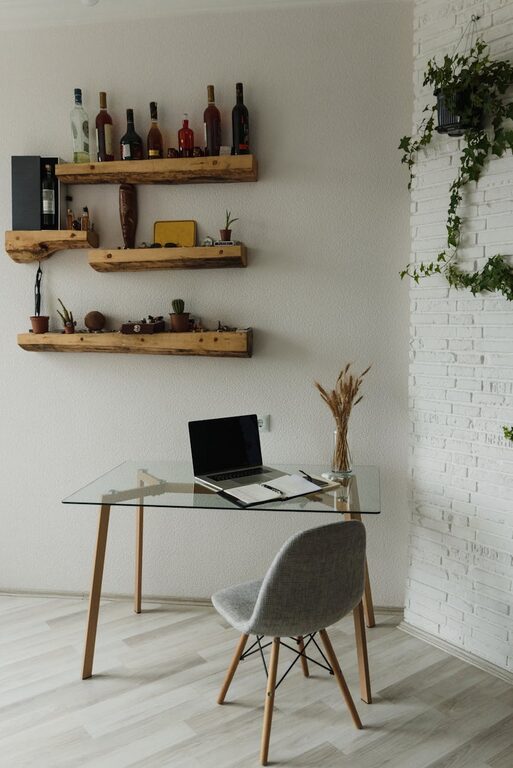
– Adjustable desk: A desk at the proper height reduces strain on your wrists and shoulders. Standing desks or adjustable models are also great options.
– Monitor placement: Position your screen at eye level to avoid neck pain.
3. Personalize Your Workspace
A cozy atmosphere makes working more enjoyable.
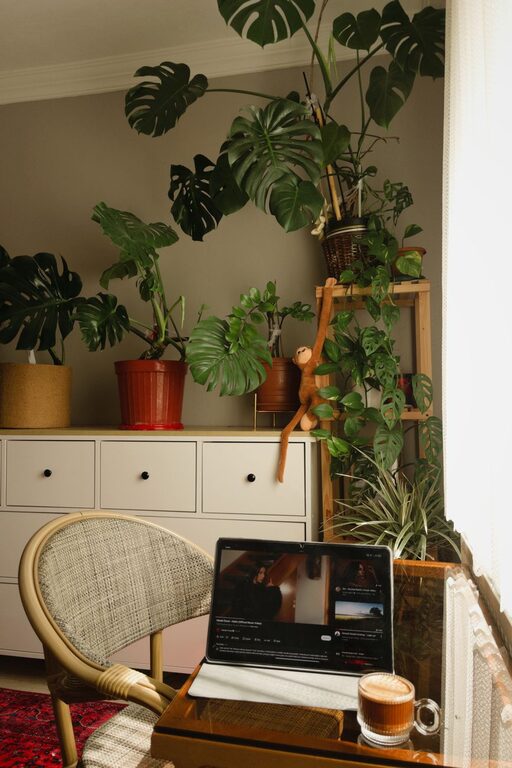
– Add plants: Greenery purifies the air and adds a refreshing natural element.
– Decorate with artwork or photos: Personalized décor inspires creativity and makes the space yours.
– Use soft textiles: Cushions, throws, or rugs can add warmth and comfort.
4. Organize for Efficiency
A clutter-free office helps clear your mind and improves focus.
– Storage solutions: Use shelves, filing cabinets, or boxes to keep documents and supplies tidy.
– Declutter regularly: Take a few minutes each day to put items away.
– Cable management: Use clips or sleeves to keep cords neat and prevent tangles.
5. Manage Lighting Wisely
Proper lighting reduces eye strain and enhances alertness.
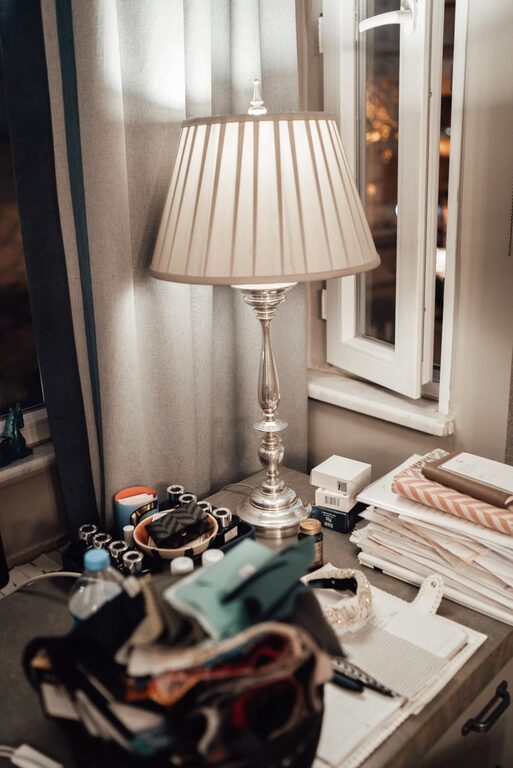
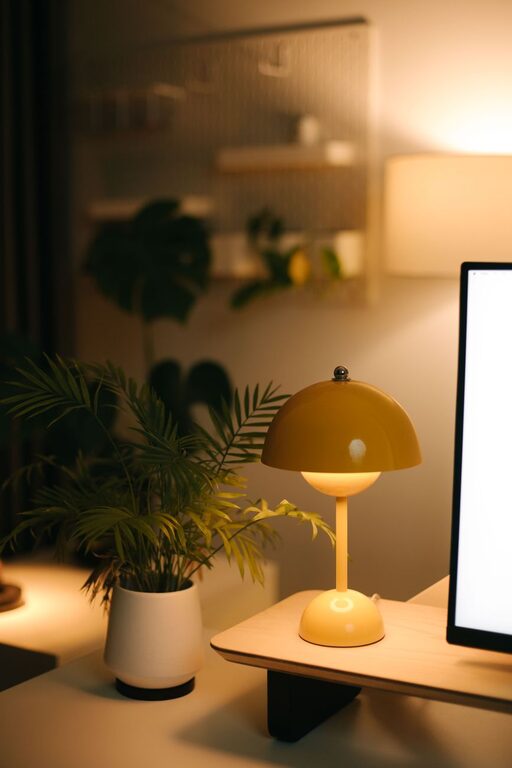
– Use layered lighting: Combine ambient light with task lighting such as desk lamps.
– Choose warm light bulbs: Soft, warm light can create a welcoming environment.
– Control glare: Position screens to avoid reflections from windows or bright lights.
6. Maintain a Comfortable Temperature and Air Quality
Your physical comfort affects your ability to focus.
– Ventilate regularly: Fresh air prevents stuffiness.
– Use a fan or heater as needed: Adjust the temperature to your preference.
– Consider an air purifier: Especially if you’re sensitive to dust or allergens.
7. Minimize Noise and Distractions
Sound can significantly impact concentration and productivity.
– Use noise-cancelling headphones: Block outside noise when needed.
– Add soft furnishings: Curtains, rugs, and cushions absorb sound.
– Play background music or white noise: Some find this helps focus.
8. Set Clear Boundaries and Routine
Creating habits and boundaries keeps work and home life balanced.
– Define working hours: Start and end your day consistently.
– Take scheduled breaks: Move around, stretch, or step outside to recharge.
– Communicate boundaries: Let family members or roommates know your work schedule.
—
Final Thoughts
Creating a cozy and productive home office doesn’t require a complete redesign or expensive furniture. With thoughtful choices in location, comfort, organization, and atmosphere, you can build a workspace that motivates you every day. Start with small changes, and adapt your office as you discover what helps you work best. The right environment makes working from home more enjoyable and effective.
Happy working!
About the Author